parent-guide-how-to-choose-hostel-school-in-dakshina-kannada

As parents in Dakshina Kannada, you are surrounded by strong schools, but sending your child to a hostel is a very different decision. More families are now exploring hostel school in Dakshina Kannada because of academic competition, entrance exam pressure and the need for a disciplined, distraction free environment. Choosing the right hostel school in DK is one of the most important decisions for your child’s academic and personal development.

Hostel education is growing across Mangalore, Puttur and nearby towns as parents look for campuses that combine good teaching, safe hostels and value based culture. The right residential school can give your child structured study hours, regular mentoring and exposure to sports and activities that are difficult to manage in a busy day scholar routine.

At the same time, not every boarding campus is the same. Hostel rules, study culture, food quality, safety systems and fee structure can vary a lot from one school to another. This parent guide from Bright Horizon Education Foundation will walk you step by step through how to evaluate options so that you can choose a hostel school with confidence, not guesswork.

Why Dakshina Kannada Is an Education Hub

Dakshina Kannada has earned a reputation as an education hub in Karnataka, and parents from across the state look towards Mangalore and surrounding towns when they think of serious academics. Cities like Mangalore, Puttur and Bantwal have a long tradition of disciplined schooling, college education and hostel culture, supported by communities that genuinely respect teachers and learning. This strong academic culture, along with a high literacy rate, makes the region naturally suited for hostel education.

For families exploring boarding schools in Dakshina Kannada, one big comfort is the safe social environment. Campuses are usually set a little away from the main traffic, yet stay well connected to hospitals, transport and city facilities. Residential schools in Mangalore are known for combining academics with value based education, language skills and co-curricular activities.

Another reason DK attracts parents is the growing competitive exam coaching ecosystem. Many hostel schools integrate NEET, JEE, CA foundation and other entrance coaching into their daily timetable, so students do not need separate tuition travel. When all of this comes together inside a safe residential campus, it becomes easier for children to focus and for parents to feel that their child is in a serious, supportive learning environment overall.

Types of hostel school in Dakshina Kannada

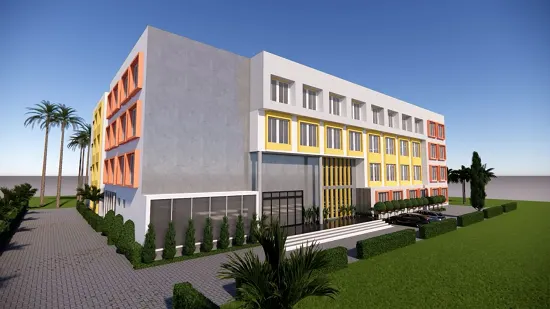
hostel school in Dakshina Kannada

Hostel school options in Dakshina Kannada cover different boards and teaching styles, so it helps to understand what each one offers before shortlisting.

CBSE Residential Schools

These CBSE residential schools follow the Central Board of Secondary Education curriculum. They usually have strong maths and science focus, continuous assessments and NCERT based teaching. Many parents choose CBSE boarding schools in Dakshina Kannada when they want integrated coaching for NEET, JEE and other national-level entrance exams.

ICSE Boarding Schools

ICSE schools follow the Council for the Indian School Certificate Examinations pattern. Language, writing and project work are given more weight. This format suits children who enjoy reading, detailed study and balanced development in humanities, commerce and science, along with structured hostel life.

State Board Residential Schools

Best schools in Mangalore follow the Karnataka Secondary Education Examination Board syllabus. They often feel more familiar for local families and may have slightly lower fee structures. Some state board hostel campuses also offer focused support for state-level competitive exams and government job preparation.

International Curriculum Schools

A few best residential schools in and around Mangalore follow Cambridge Assessment International Education or similar international boards. They emphasise concept understanding, communication skills and global exposure. These hostels are generally suited for parents who may plan higher studies abroad or want a more flexible, inquiry-based learning style for their children. Parents should match the school type with the child’s strengths, language comfort, long term goals and the family’s realistic budget range carefully.

Step-by-Step Guide: How to Choose the Right Hostel School in DK

Choosing a hostel school is easier when you follow a clear, practical checklist instead of relying only on reputation or hearsay. Use these steps as a guide while exploring options across Mangalore, Puttur, Bantwal and other parts of Dakshina Kannada.

Step 1: Evaluate academic performance
Start with the school’s track record. Look at board exam results for the last few years, subject toppers, and consistency across batches, not just one or two headline ranks. Ask whether the campus offers NEET/JEE coaching support, Olympiad training and dedicated doubt-clearing sessions for hostel students.

Step 2: Inspect hostel infrastructure
During your visit, carefully check dormitory space, ventilation, cleanliness and washrooms. Study halls should be quiet, well lit and supervised. Find out about CCTV coverage in common areas, separate blocks for boys and girls, and night-time security arrangements.

Step 3: Check food and nutrition standards
Good food is essential for growing children. Review a sample weekly menu, ask how often fruits, milk and protein items are served, and whether there are options for vegetarian, Jain or special diets. Visit the kitchen if possible to see hygiene practices first-hand.

Step 4: Review safety and child protection policies
Confirm if wardens and residential staff are trained to handle emergencies, conflict and homesickness. Ask about tie-up hospitals, on-campus medical rooms, first-aid availability and the school’s anti-bullying policy. Written policies show that the school takes safety seriously.

Step 5: Understand teacher quality and student ratio
Request information on teacher qualifications, years of experience and how many students are assigned per mentor or class teacher. Smaller groups usually allow better monitoring and personal guidance.

Step 6: Examine extracurricular and sports facilities
Balanced development needs sports, arts and cultural exposure. Check playgrounds, indoor sports, music, dance and club activities, and how often hostel students actually use them.

Parents searching for a hostel school in DK should always visit the campus before finalizing admission, ideally on a regular working day when classes and hostel routines are running normally.

Before you leave, talk to a few current hostel students and, if allowed, other parents during visiting hours. Their feedback on discipline, study pressure, teacher support and hostel life will give you a clearer, more honest picture than only brochures and websites. Combine this with your child’s comfort level before taking a final call.

Fee Structure of Hostel Schools in DK

Understanding hostel school fees in DK helps families plan realistically and avoid surprises after admission. While every campus has its own structure, most follow similar heads of expense that repeat each year.

A simple fee snapshot many parents will see looks like this:

School Type

Approx Annual Fees

State Board Hostel

₹60,000 – ₹1,20,000

CBSE Residential School

₹1,20,000 – ₹2,50,000

ICSE Boarding School

₹1,50,000 – ₹3,00,000

International School

₹3,00,000 and above

Within these ranges, residential school cost Dakshina Kannada campuses usually include multiple components:

  • Tuition fees – classroom teaching, exams and academic support
  • Hostel accommodation – dormitory, electricity, water and supervision
  • Mess charges – breakfast, lunch, evening snacks and dinner
  • Uniform and books – one-time or annual supply of prescribed sets
  • Transport (if any) – for outings, competitions or medical visits
  • One-time admission fee – often paid in the first year

Some schools also add deposits (refundable) and small term-wise activity or lab fees. Parents should always ask for a written breakup that clearly separates recurring annual fees from one-time charges.

When comparing options, do not look only at the total amount. Check what is included in the fee, how many instalments are allowed, and what penalties apply for late payment. A higher but transparent structure is often better than a low number with often hidden additions later.

Day School vs Hostel School – Comparison

Parents in Dakshina Kannada often wonder whether to choose a hostel school or continue with a good day school. Both models can work; the decision depends on your child’s nature, distance and family schedule.

In a day school model, the child lives at home, travels daily and shares meals and evenings with family. Parents can directly monitor homework, friends, gadgets and behaviour. Discipline is moderate and academics are balanced with tuition, hobbies and home study. This suits children who need emotional support and whose commute is reasonable.

In a hostel school model, routines are more structured. Fixed waking time, study hours, games and lights-out build independence and time management. Academic focus is intensive because classes, coaching and supervised study happen inside the same campus with fewer distractions.

Factor

Day School

Hostel School

Discipline

Moderate

Structured

Independence

Limited

High

Academic focus

Balanced

Intensive

Parental monitoring

High

Limited

Before deciding, parents should check not only marks but also the child’s emotional readiness to stay away from home in a residential campus.

Admission Process for Hostel Schools in DK

Most schools in Dakshina Kannada follow a similar, step-by-step admission process for hostel seats. Knowing this in advance helps parents stay prepared and avoid last-minute stress.

The first step in hostel school admission DK is usually filling an enquiry or application form, either online or at the school office. This collects basic details about the child’s age, previous school, board, and preferred class.

Many boarding schools in Dakshina Kannada then conduct an entrance test to understand the child’s current academic level in core subjects like English, Maths and Science. Some schools also hold a short interaction or interview with both parents and the student to discuss expectations, language comfort and hostel readiness.

Once the child is shortlisted, parents are asked to submit documents such as birth certificate, previous year report card, transfer certificate, ID proof and medical fitness certificate. After document verification, the school issues a formal admission offer.

The final step is fee payment and seat confirmation within the deadline. Parents should clearly ask what portion of the fee is refundable, hostel rules for leaving mid-year, and how long the seat will be kept on hold. A transparent, written process is a good sign when you consider any boarding school admission in Dakshina Kannada campuses.

Psychological Readiness of the Child

Sending a child to a hostel school in DK is not only an academic decision, it is an emotional one. Age is a key factor – very young children may struggle more with separation, while students from class 6 or 7 upwards usually adapt better if the environment is supportive.

Parents should honestly assess emotional maturity: Can your child express feelings, ask for help and follow basic rules without constant reminders? Communication skills matter in a residential campus because students must speak up with wardens and teachers when they feel unwell or uncomfortable.

Before confirming admission, prepare the child gradually. Talk about hostel life, show photos or videos of the campus and, if possible, arrange a short day visit or summer camp. Let your child meet seniors from the same school. This makes the transition smoother and reduces homesickness in the first few weeks.

Red Flags Parents Must Avoid

Choosing a hostel school is emotional, so it is easy to ignore warning signs during a campus visit. A few clear red flags should make you pause and reconsider.

Overcrowded dorms – too many beds in a small room, no personal storage space, poor ventilation.

Poor sanitation – dirty toilets, overflowing dustbins, smell in corridors, stained mattresses.

No medical facility – no infirmary, no tie-up hospital, no clear process for handling emergencies at night.

Unclear fee structure – staff cannot give a written fee breakup or keep adding “extra” amounts verbally.

Lack of transparency – you are not allowed to see hostels, kitchens or study halls, or your questions about safety and discipline are avoided.

If several of these signs appear together, it is safer to step back and explore other options instead of forcing admission only because the school is popular or nearby.

Frequently Asked Questions (FAQ)

Q1. What is the average hostel school fee in DK?
For most families, the average hostel school fee in DK ranges from about ₹60,000 per year in basic state board hostels to around ₹2,50,000 in mid-range CBSE or ICSE residential schools. International boarding schools can go beyond ₹3,00,000. Always check what is included before comparing numbers.

Q2. Which curriculum is best for hostel education?
There is no single “best” board. CBSE residential schools in Dakshina Kannada work well for NEET, JEE and national entrance exams. ICSE may suit children who enjoy languages and detailed study. State board campuses can be more affordable. International boards are better for parents planning overseas education after school.

Q3. Are hostel schools safe in Dakshina Kannada?
Many boarding schools in Dakshina Kannada have a long tradition of disciplined, value-based education and are generally safe when they follow proper systems. Parents should still personally check security, CCTV, separate blocks, wardens, medical tie-ups and written child protection policies before admission instead of relying only on reputation.

Q4. At what age can a child join a boarding school?
Most hostel schools in DK accept students from Class 4–5 onwards, while some start only from Class 6 or 7. Younger children may find it harder to adjust, so emotional readiness is more important than age alone. Discuss with your child and class teacher before deciding on full-time hostel life.

Q5. How can parents monitor children in hostel schools?
Good residential schools maintain regular phone call windows, scheduled visiting days and parent-teacher meetings. Some also share apps or portals with attendance, exam reports and updates. Parents should use these channels, keep open conversations with their child, and raise concerns early with wardens or school counsellors whenever needed. These answers give parents a clear, practical starting point.

Why Choose Bright Horizon Education Foundation?

For most parents, choosing a hostel school in DK is confusing because every brochure claims to be “the best.” Bright Horizon Education Foundation is designed to work on your side, as an independent guide, not as a single-school promoter.

Instead of pushing one campus, Bright Horizon helps you compare multiple hostel school in DK options across Mangalore, Puttur, Bantwal and nearby areas. The team focuses on verified information – board results, hostel facilities, fee structure, safety systems and feedback from existing parents – so you are not deciding only from advertisements or social media.

Parents get support through personalised counselling calls, shortlists based on budget and board preference, and practical checklists to use during campus visits. If you are confused between CBSE, ICSE, state board or international residential schools in Mangalore, they help match curriculum and hostel environment with your child’s strengths and long term plans.

The goal is simple: transparent comparison, realistic expectations and a safer decision for your child’s education and hostel life.

Looking for the best hostel school in DK for your child? Connect with Bright Horizon Education Foundation for expert admission guidance and verified residential school options in Dakshina Kannada.

Call: +91 8970797028  Or

WhatsApp: +91 9483359539

Leave a Reply

Your email address will not be published. Required fields are marked *